José Rizal · 1861 – 1896

The Shaping of a Hero

An interactive timeline of José Protasio Rizal Mercado y Alonso Realonda: his family roots, schooling, travels, writings, exile and death, and the biological and environmental forces that turned a frail boy from Calamba into the conscience of a nation.

Born19 June 1861
Executed30 December 1896
Age at death35
Countries lived in or visited20+
Scroll to travel through his life
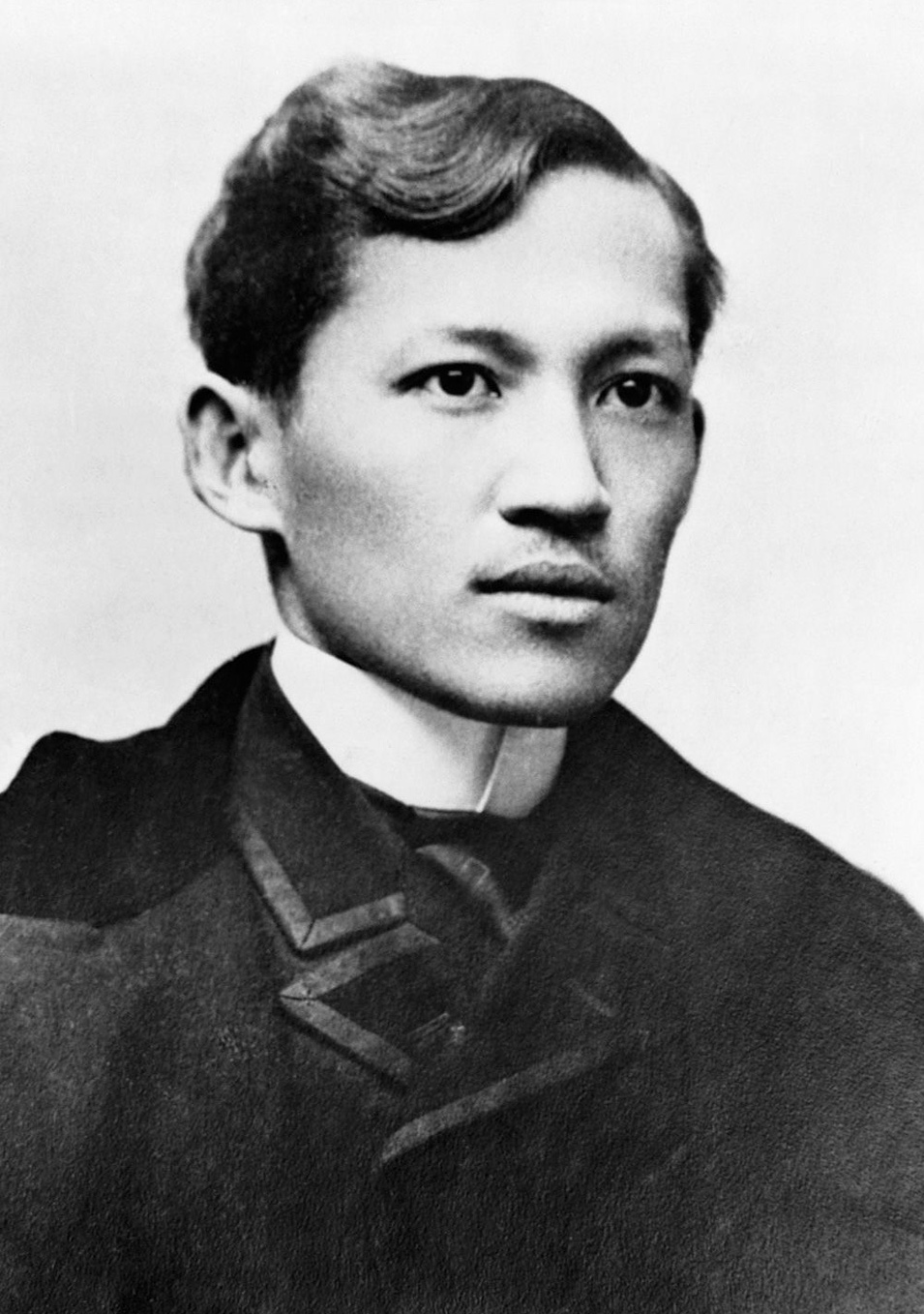
Formal studio portrait of José Rizal in a dark suit
José Rizal, c. 1890s. Public domain, via Wikimedia Commons.
I · Introduction

A physician, novelist and reformer who never held a gun

A. Brief overview

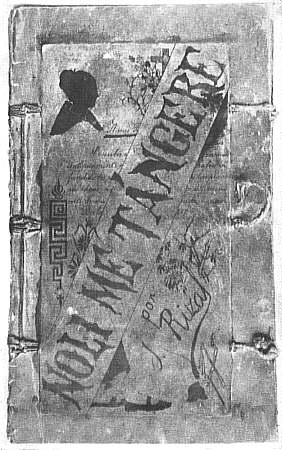
José Rizal was born in Calamba, Laguna, the seventh of eleven children of a prosperous family of tenant farmers. He trained as an ophthalmologist in Madrid, Paris and Heidelberg. He wrote poetry, essays and two novels, Noli Me Tangere (1887) and El Filibusterismo (1891), that exposed the abuses of Spanish colonial rule and the friar orders.

He asked for reform through peaceful means: Philippine representation in the Spanish Cortes, freedom of speech, and equality before the law. Spain still saw him as a threat. He was exiled to Dapitan for four years, then tried by court-martial for rebellion and shot at Bagumbayan on 30 December 1896. His death helped push the Revolution forward. The nation he wrote for was proclaimed eighteen months later.

Full name
José Protasio Rizal Mercado y Alonso Realonda
Profession
Ophthalmologist
Major works
Noli, Fili, Mi Último Adiós
Organisation founded
La Liga Filipina (1892)
B. Thesis
Rizal's heroism was not inborn. It came from inherited gifts, a demanding mother, his family's hardships, and the injustice of colonial rule, and it was tested by his own pride, his doubts and his losses.

This site follows that argument in order. It starts with what he was born with (II) and what surrounded him (III). It then follows the timeline of his life, the experiences that tested him (IV), his strengths and flaws (V), and how his obstacles became the material of his heroism (VI).

Genealogy · Rizal's paternal line and immediate family
Domingo Lam-coChinese immigrant from Fujian, c. 1690s
&
Ines de la RosaChinese-Filipina, Manila
Francisco Mercadoadopted the surname "Mercado" (market), 1731
&
Cirila Bernacha
Juan Mercadogobernadorcillo of Biñan
&
Cirila Alejandra
Francisco Engracio Mercado1818–1898 · father, from Biñan
&
Teodora Alonso Realonda1826–1911 · mother, from Manila
SaturninaPacianoNarcisaOlimpiaLuciaMaríaJosé · 7thConcepciónJosefaTrinidadSoledad

The family took the surname "Rizal" (from ricial, a green field) in 1849 under Governor Clavería's surname decree. Rizal's ancestry mixed Malay, Chinese, Spanish and, according to family tradition, Japanese blood.

II · Biological factors

What he was born with

Heredity gave Rizal a quick mind, artistic hands, and a small, frail body. He spent his life making up for that body with discipline.

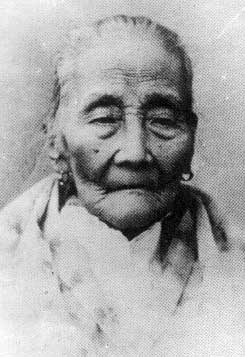
A. Inherited traits · mother
Portrait of Teodora Alonso

Teodora Alonso

  • Intellect and literary talent. She was educated at the Colegio de Santa Rosa, was well read, and wrote verse.
  • Strength of will. She endured an unjust imprisonment without breaking.

Effect: His love of letters, his poetic gift and his stubborn sense of dignity came from her.
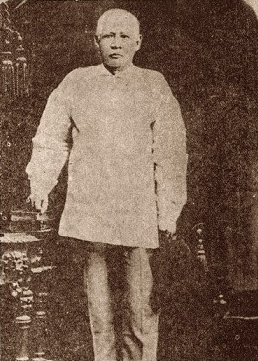
A. Inherited traits · father
Portrait of Francisco Mercado

Francisco Mercado

  • Industry and thrift. He was a hardworking tenant farmer who made the family one of the most prosperous in Calamba.
  • Self-respect and independence. Rizal called him "a model of fathers".

Effect: His work ethic and his quiet pride came from his father.

A. Inherited traits · ancestry

A mixed lineage

  • Chinese (Domingo Lam-co): diligence, frugality and patience.
  • Malay: love of freedom and adventure, and his eloquence.
  • Spanish: elegance, sensitivity to insult, and gallantry toward women.
  • Japanese (family tradition): courtesy and self-discipline.

Effect: His biographer Zaide links these strands to the many sides of his character. Treat it as a traditional reading, not as science.

B. Physical characteristics

Small, frail, determined

  • About 5 feet tall with a slight build. He was sickly as a child.
  • A bigger classmate in Biñan, Pedro, bullied him. Rizal fought back after learning wrestling from his uncle Manuel.
  • He took up fencing, gymnastics and target shooting and became a skilled swordsman.

Effect: His small frame pushed him toward intellectual excellence. His refusal to be dominated grew into a refusal to accept colonial humiliation.

III · Environmental factors

What surrounded him

His home, his schools, and a colony in crisis shaped the gifts he inherited.

A. Family and upbringing

A home in Calamba

  • His mother taught him the alphabet at three and told him the story of the moth drawn to the flame. He later said he took it as a lesson that a beautiful ideal can be worth dying for.
  • Three uncles each guided him: Manuel in physical training, Gregorio in reading, and José Alberto in art.
  • His older brother Paciano was a second father to him and a link to Fr. José Burgos.
  • Religious devotion and a garden full of nature fed his imagination.
B. Educational experiences

From Biñan to Heidelberg

  • Biñan (1870–71): strict schooling under Maestro Justiniano Aquino Cruz.
  • Ateneo Municipal (1872–77): Jesuit discipline and humanism. He earned his Bachiller en Artes with highest marks.
  • UST (1877–82): philosophy, then medicine. He felt Dominican professors discriminated against Filipino students.
  • Madrid, Paris, Heidelberg (1882–87): liberal ideas, science and ophthalmology.
C. Social and political context

A colony under the friars

  • Friar power over land, schools and local government.
  • The 1872 execution of GOMBURZA (Fathers Gómez, Burgos and Zamora) after the Cavite Mutiny.
  • The Calamba land dispute with the Dominican hacienda, ending in evictions in 1891.
  • Spanish liberalism in Europe sharply contrasted with repression in the colony.

Effect: He wrote that without 1872 there would be no Noli. He dedicated El Filibusterismo to GOMBURZA.

◆ Interactive timeline

Thirty-five years, event by event

Filter by theme. Open "Why it matters" on any event to see how it shaped his character. The path in the sky behind the page follows your place in his life, and it ends at the dawn of 30 December 1896.

Filter
    IV · Life experiences

    Three chapters that tested him

    Title page of Noli Me Tangere, Berlin 1887
    A. Experiences abroad · 1882–1892

    The propagandist

    He left for Spain in secret in 1882. In Europe he finished two degrees, trained in ophthalmology, and learned several languages. He joined the Propaganda Movement and wrote for La Solidaridad. He published the Noli in Berlin and the Fili in Ghent, and annotated Morga's Sucesos to show that Filipinos had a civilisation before Spain arrived. Poverty, homesickness and disputes among the expatriates strained him.

    • Madrid
    • Barcelona
    • Paris
    • Heidelberg
    • Berlin
    • London
    • Tokyo
    • San Francisco
    • Brussels
    • Ghent
    • Hong Kong
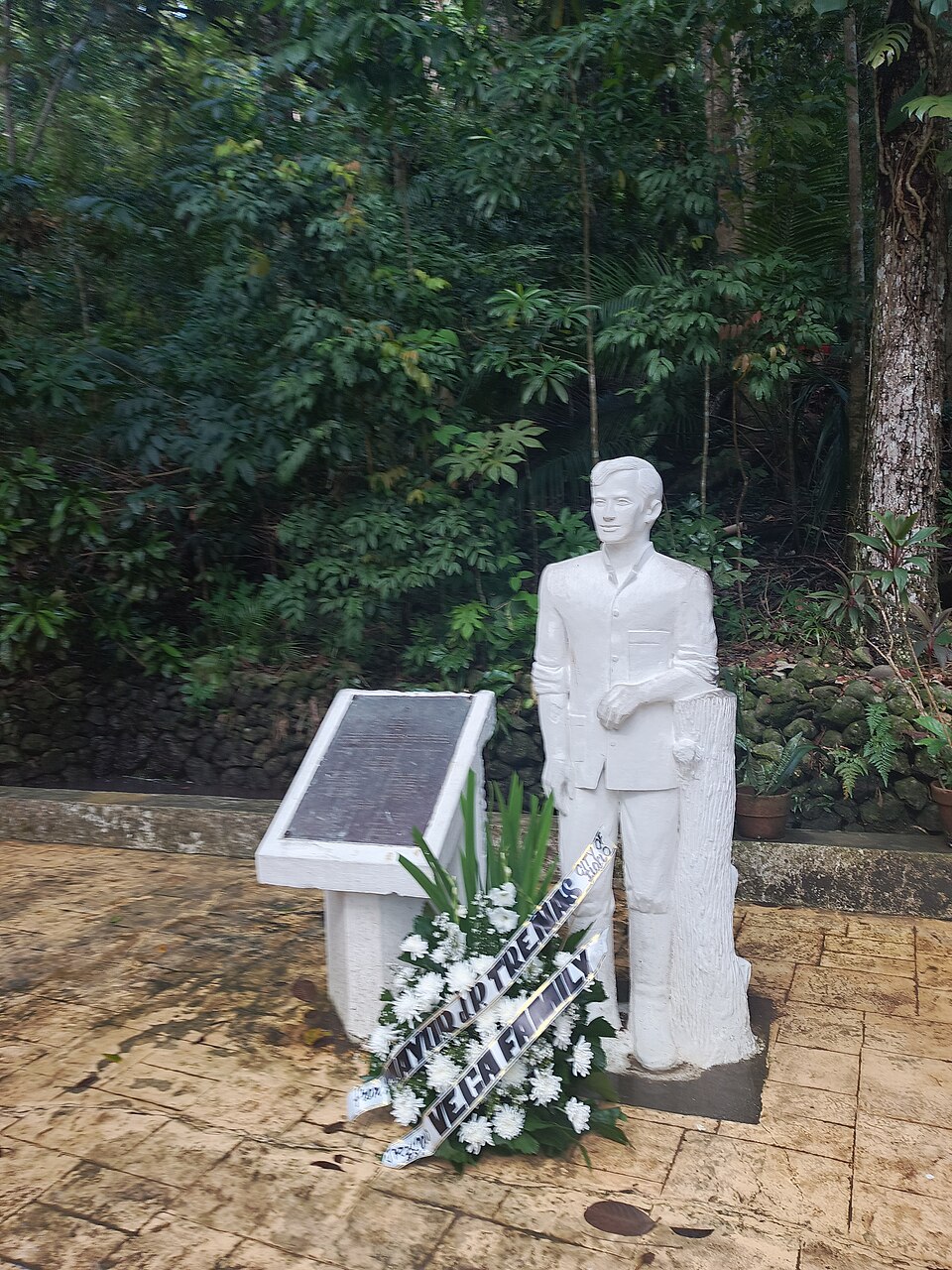
    Rizal Shrine at Dapitan City, a reconstructed nipa house
    B. Life in Dapitan · 1892–1896

    The builder in exile

    Exile did not break him. He turned it into service. He treated patients, often for free, and set up a clinic. He built a water system, opened a school for boys, and taught farming and English. He collected new animal species for European museums, including the lizard Draco rizali. He made a relief map of Mindanao in the plaza and met Josephine Bracken. He refused to escape because he had given his word.

    • Dapitan
    • Talisay
    • Zamboanga
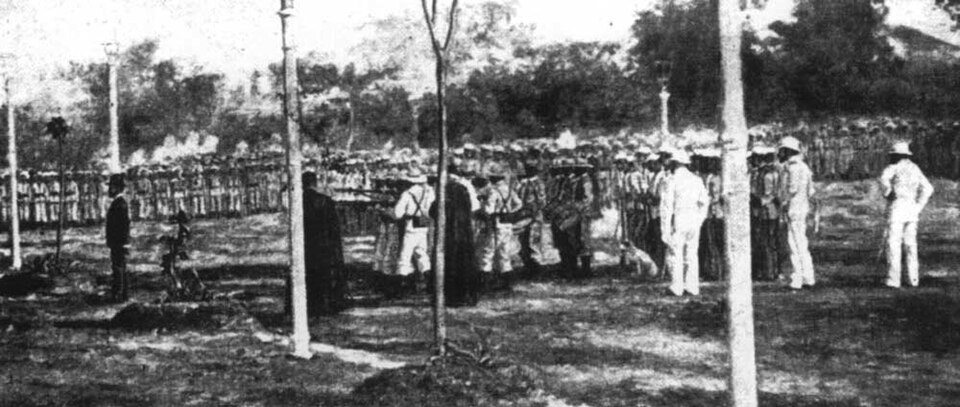
    Historic photograph of the execution of Rizal at Bagumbayan, 30 December 1896
    C. Arrest, trial and execution · 1896

    The martyr

    He was sailing to Cuba as a volunteer army doctor when the Revolution broke out. Spain arrested him at sea, jailed him in Barcelona, and sent him back to Fort Santiago. A military court that refused to hear his witnesses tried him for rebellion, sedition and illegal association on 26 December 1896. Four days later he was shot at Bagumbayan. He asked to face the firing squad and was refused. He turned as he fell, so that he landed facing the sky.

    • Barcelona
    • Fort Santiago
    • Bagumbayan
    V · Character analysis

    A great man, and a human one

    A. Virtues and strengths

    Brilliant, many-sided intellectPhysician, novelist, poet, sculptor, painter, naturalist and surveyor. He studied many languages.
    Discipline and perseveranceHe finished two licentiates and trained in eye surgery while short of money abroad.
    Patriotism without hatredHe criticised colonial abuses, not Spain itself, and sought reform by peaceful means.
    Compassion and serviceHe treated the poor in Dapitan for free and restored his mother's eyesight himself.
    Integrity and courageHe kept his word not to escape exile and faced execution calmly, with his pulse reportedly normal.

    B. Shortcomings and weaknesses

    Pride and touchinessHe challenged Antonio Luna and the Spanish writer Wenceslao Retana to duels over insults. Both later apologised.
    Rivalry and stubbornnessHis leadership dispute with Marcelo H. del Pilar in 1891 split the Filipino community in Madrid.
    Indecision in loveHe left Leonor Rivera waiting through years of absence and did not commit to Nellie Boustead or O-Sei-San. He could not marry Josephine Bracken in church.
    Too much trust in SpainHe believed reform from Madrid was possible and trusted authorities who later betrayed him.
    Distance from the masses' revolutionHe rejected the Katipunan's plan in 1896 as premature and condemned the uprising in his December manifesto.
    C. Evolution of character over time
    1861–1877The pious prodigyDevout, sensitive, a prize-winning Ateneo student
    1877–1886The awakened studentDiscrimination at UST and liberal Europe sharpen his eyes
    1887–1891The reformist writerFrom the hopeful Noli to the bitter Fili
    1892–1896The organiser and exileLa Liga, then quiet service in Dapitan
    Dec 1896The martyrCalm, forgiving, and certain of the dawn
    VI · Pitfalls and heroism

    How each obstacle became part of the hero

    A. Challenge or obstacleB. How it contributed to his heroism

    His mother's unjust imprisonment (1872)

    Teodora was made to walk about 50 km to Santa Cruz and jailed for over two years on a false charge.

    A personal stake in justice

    Colonial abuse became real to an eleven-year-old boy. It is echoed in the suffering of Sisa in the Noli.

    Discrimination at UST

    Dominican professors were hostile to Filipino students.

    The decision to study abroad

    He left for Spain, where he found the freedom to write the books that woke a nation.

    Poverty in Europe

    His allowance was often late, especially in Berlin. He nearly burned the Noli manuscript in despair.

    The Noli is published

    Maximo Viola lent him the money, and 2,000 copies were printed in Berlin in March 1887.

    Persecution of his family (1888–91)

    The Calamba hacienda case was lost. Houses were burned, and his parents and sisters were evicted or exiled.

    The darker El Filibusterismo

    His anger went into a novel that warns Spain where injustice leads.

    Exile to Dapitan (1892)

    He was cut off from politics, family and the Propaganda Movement for four years.

    Heroism in daily service

    He built a school, a clinic and a water system, and showed what an educated Filipino could do for a community.

    Arrest, unfair trial, death sentence

    He was convicted of a revolution he did not lead, by a court that would not hear his witnesses.

    Martyrdom that united a people

    His calm death and "Mi Último Adiós" made him the Revolution's symbol and later the nation's hero.

    VII · Conclusion

    The dawn he did not live to see

    A. Summary of findings

    Rizal's biology gave him a rare mind from his mother and patience from his father. It also gave him a small body that taught him to fight with discipline instead of size. His environment gave him purpose: a home that valued learning, a mother wrongly jailed, Jesuit and European schooling, and a colony where GOMBURZA could be executed and Calamba's farmers evicted.

    His life experiences abroad, in Dapitan, and in Fort Santiago tested those traits. His virtues of intellect, integrity and compassion carried him. His weaknesses of pride, rivalry, indecision and too much faith in Spain were real, but he worked through them. Each obstacle on the timeline led to a book, a school, a speech or a sacrifice.

    B. Reflection on his legacy

    Rizal shows that heroism can be built over a lifetime from education, conscience and steady effort. As a student, the lesson I take from him is that knowledge carries a duty to serve.

    • 1898The Philippines declares independence on 12 June, eighteen months after his death.
    • 1901Act No. 345 sets 30 December as a national day of mourning, now Rizal Day.
    • 1913The Rizal Monument is unveiled at Bagumbayan, today's Rizal Park (Luneta).
    • 1956Republic Act 1425, the Rizal Law, requires every school to teach his life and works.
    "Yo muero cuando veo que el cielo se colora,
    y al fin anuncia el día tras lóbrego capuz."

    "I die just when I see the dawn break, through the gloom of night, to herald the day."

    Mi Último Adiós · 29 December 1896
    ¶ References

    Sources

    Books

    1. Zaide, G. F., & Zaide, S. M. (2014). José Rizal: Life, works and writings of a genius, writer, scientist and national hero (3rd ed.). All-Nations Publishing.
    2. Guerrero, L. Ma. (1963). The first Filipino: A biography of José Rizal. National Heroes Commission.
    3. Coates, A. (1968). Rizal: Philippine nationalist and martyr. Oxford University Press.
    4. Ocampo, A. R. (2012). Rizal without the overcoat (New ed.). Anvil Publishing.
    5. Rizal, J. (1887/2006). Noli me tangere (H. Augenbraum, Trans.). Penguin Classics.
    6. Rizal, J. (1891/2011). El filibusterismo (H. Augenbraum, Trans.). Penguin Classics.

    Online and primary sources

    1. Encyclopaedia Britannica. (n.d.). José Rizal. britannica.com/biography/Jose-Rizal
    2. National Historical Commission of the Philippines. (n.d.). nhcp.gov.ph
    3. Rizal, J. (1896). Mi último adiós. Wikisource. es.wikisource.org/wiki/Mi_último_adiós
    4. Rizal, J. Full texts of his works. Project Gutenberg. gutenberg.org
    5. Republic Act No. 1425 (Rizal Law). (1956). Official Gazette. officialgazette.gov.ph
    6. Wikipedia contributors. José Rizal. en.wikipedia.org/wiki/José_Rizal (used for cross-checking dates only)

    Images

    1. All photographs are public domain or freely licensed images from Wikimedia Commons: "Jose Rizal full.jpg", "Teodora alonzo.jpg", "Francisco r mercado.jpg", "Leonor Rivera.jpg", "Noli Me Tangere.jpg", "El Filibusterismo facsimilie cover.jpg", "Rizal Shrine Calamba.jpg", "Rizal Shrine at Dapitan City.jpg", "Rizal execution.jpg".